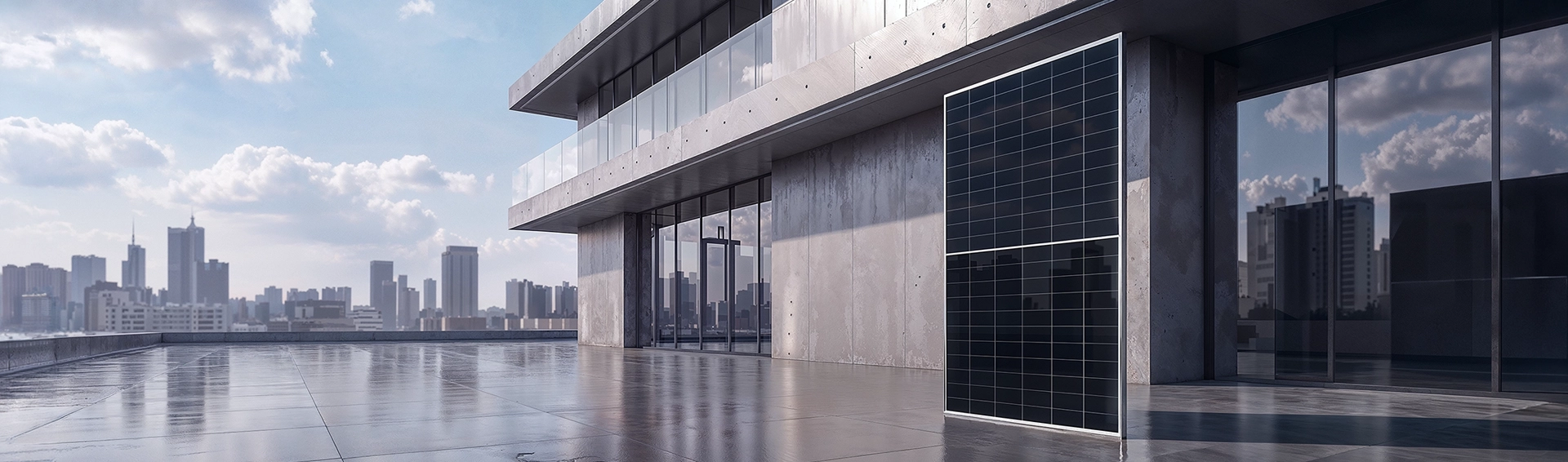
Back-Contact solar panel
TCL C2 : Back-contact redefined, Better by Design
%20(1).webp)
What is Back Contact Technology?
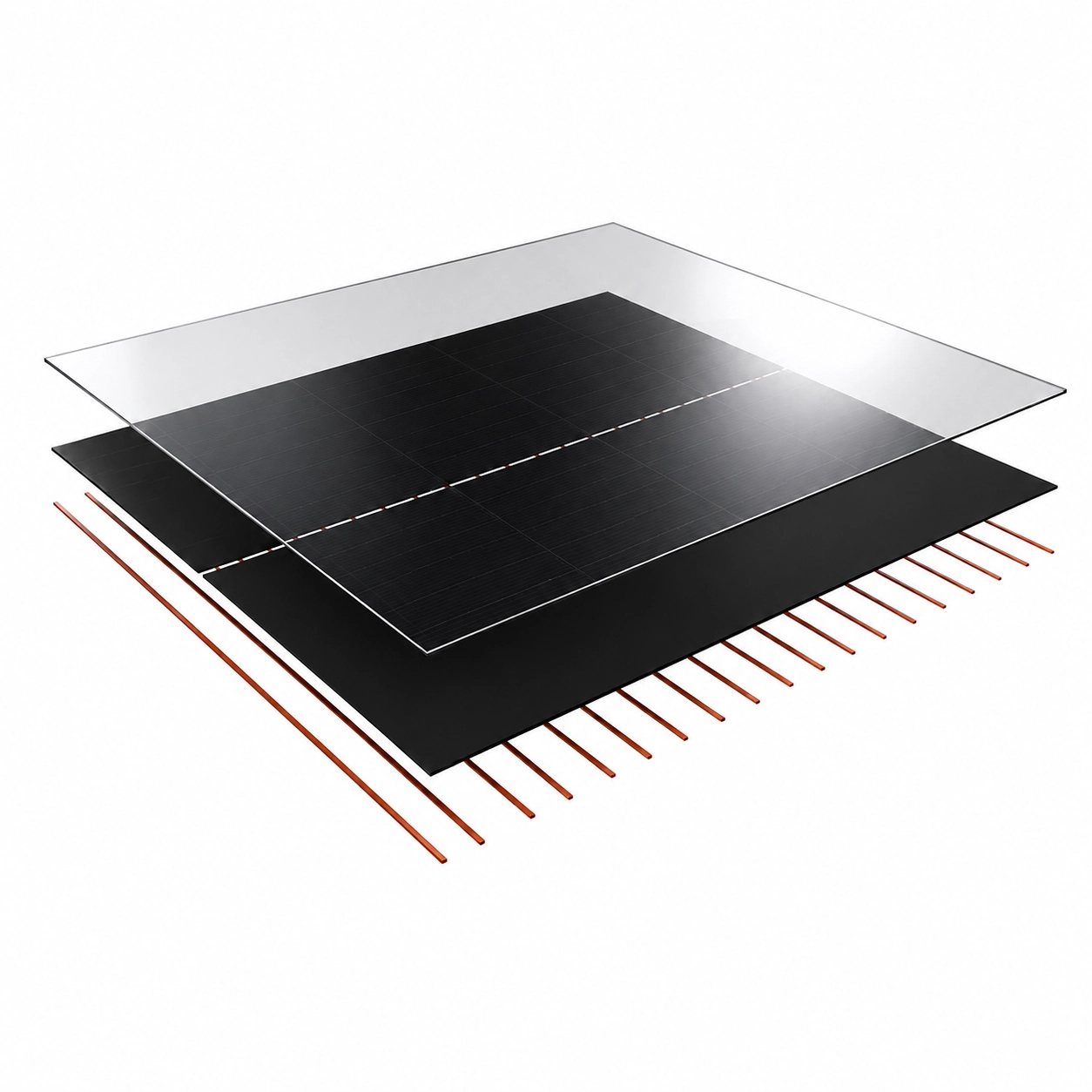
Back Contact (BC) solar cells are high-efficiency technology solar cells where both the positive and negative electrodes are placed on the backside of the cell. That means no busbars in the way, covering the front of the panels. This design effectively reduces shading area and enhances the absorption and utilization efficiency of sunlight. The founder of back-contact technology is Dick Swanson, also founder of SunPower.
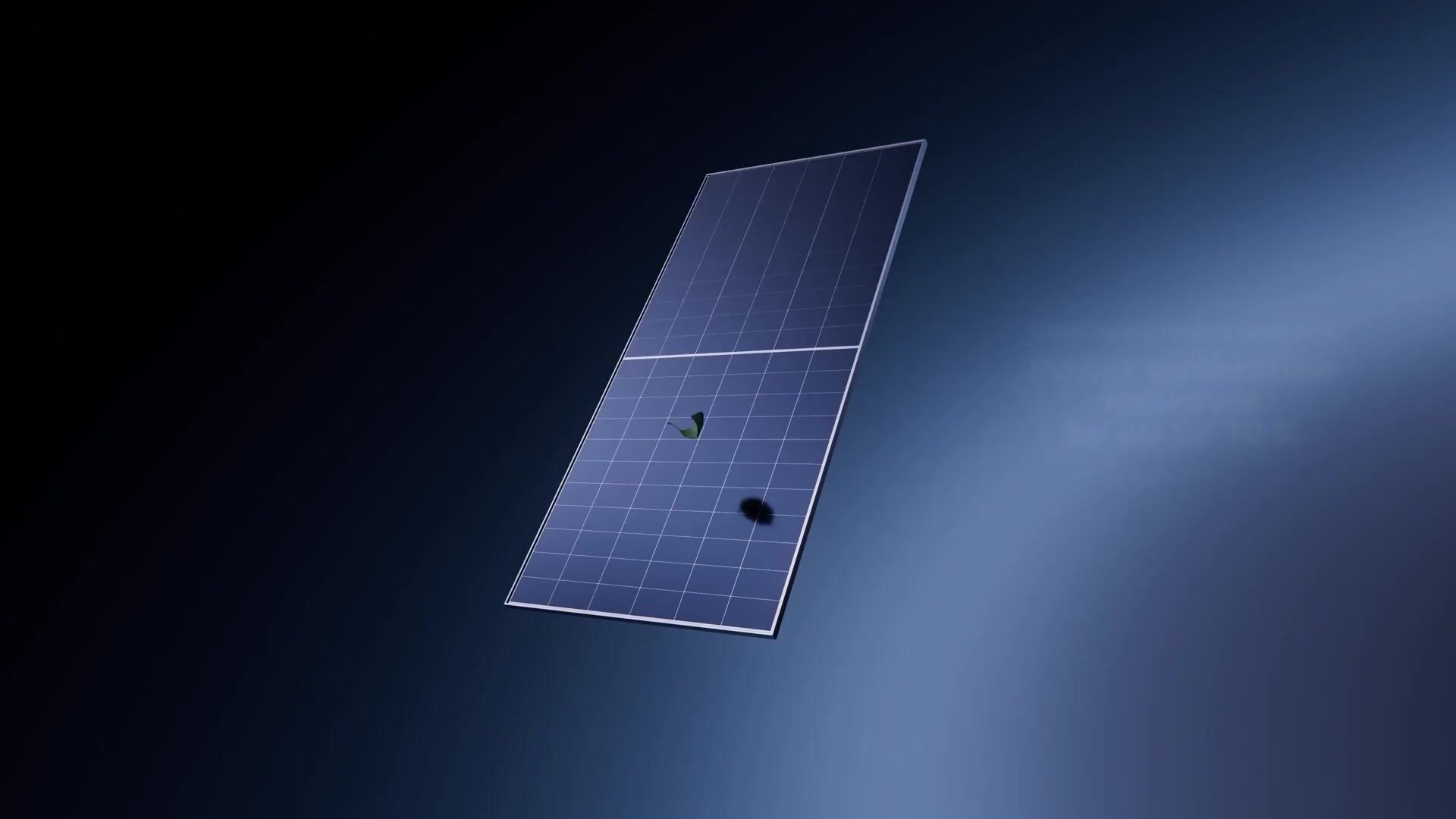
Better by Design
High cell efficiency
Efficiency improvement by 6% to 10% compared to traditional cells.
Intelligent shade & temperature management
Cell-level bypass diode technology for shading optimisation and a better temperature coefficient.
Enhanced reliability
Lower operating temperature and anti-crack construction for dependable long-term performance.
No trade-off between aesthetics and efficiency
No busbar design eliminates front metal lines, presenting a more visually appealing rooftop installation.
Same space, more power
Full-screen back-contact design delivers over 4% more rooftop or land space capacity than standard technology — fit more solar, generate more revenue.
Backed by TCL Solar warranty
Up to 25 years product and 30 years power. May vary from one country to another.
The trusted technology for all your projects
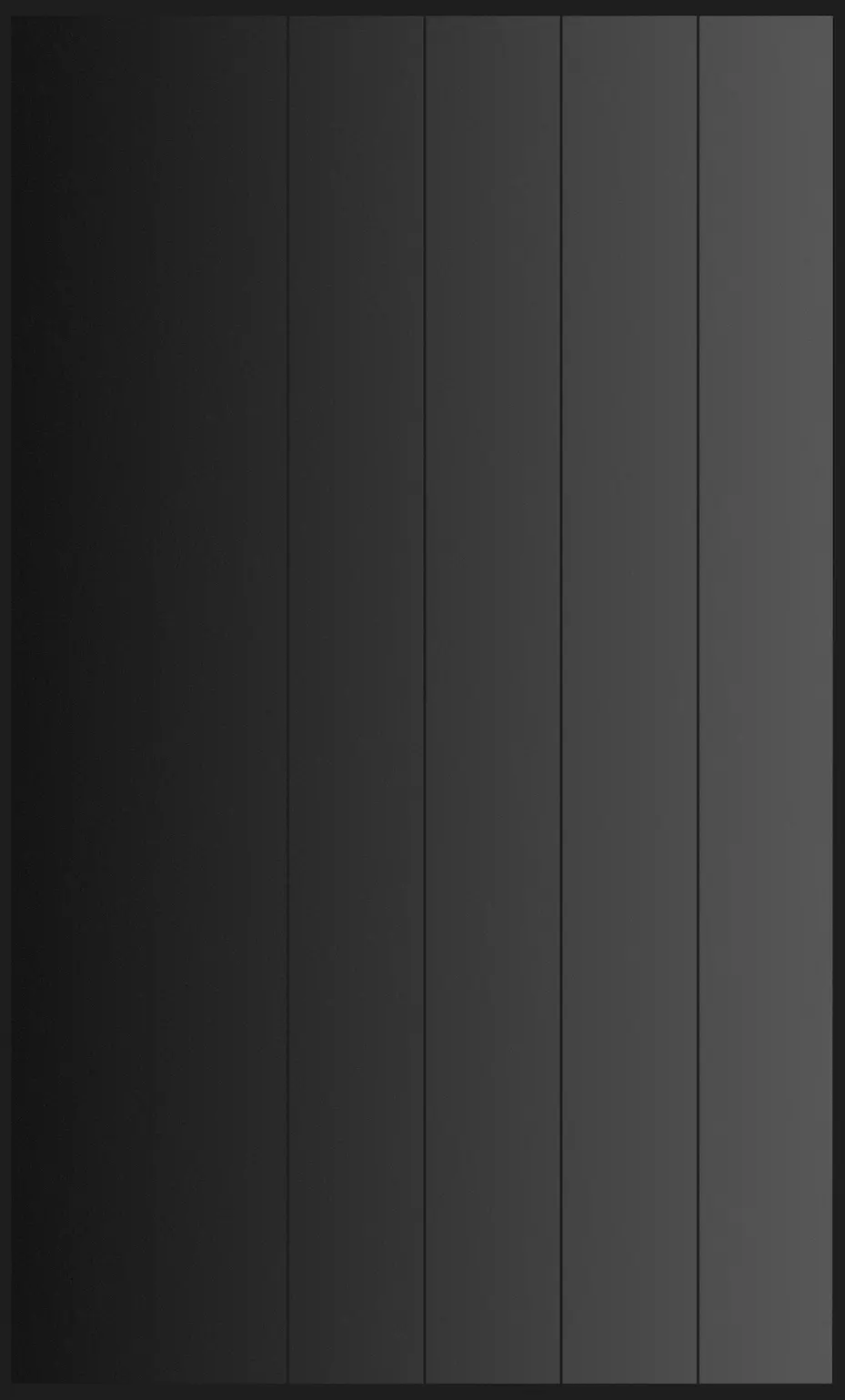
C2 S Black
- Up to 495W
- Up to 23.8% efficiency
- Monofacial with black back glaze
- Bifacial in white or black glaze
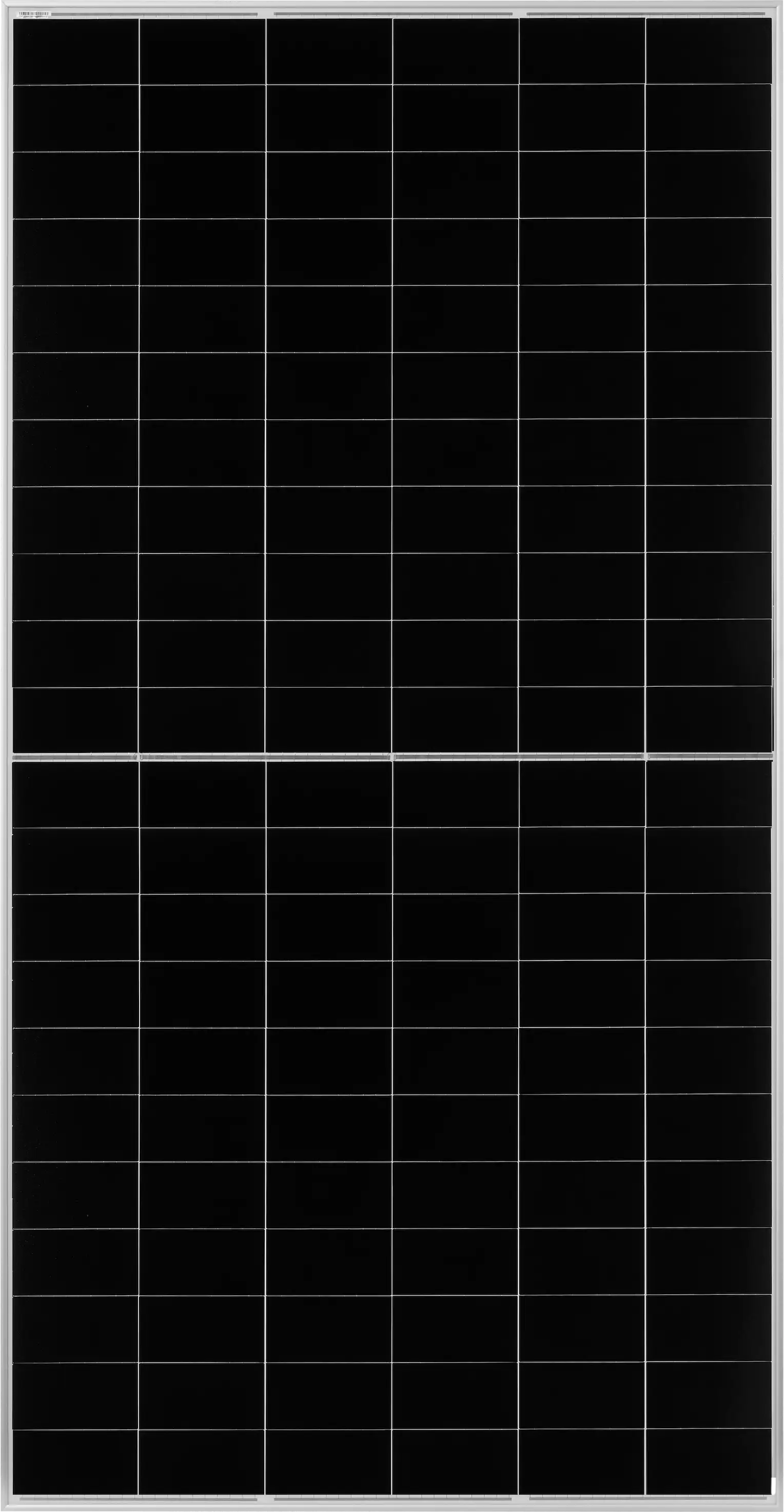
C2 L
- Up to 670W
- Up to 24.8% efficiency
- Bifacial
- White glaze
C2 L PP
- Up to 670W
- Up to 24.8% efficiency
- Bifacial
- White glaze
How is C2 Back Contact different to standard front-contact panels?
Back Contact technology is considered a key pathway for next-generation high-efficiency silicon solar cells. Unlike front-contact designs, Back Contact cells place both positive and negative contacts on the back of the cell. This removes the shading caused by frontside metal gridlines, allowing more sunlight to reach the active area and reducing the surface recombination rate, leading to higher power generation and improved efficiency.
Furthermore, the Back Contact design significantly improves the panel shade management, minimising hotspot formation and enhancing reliable long-term operation.