From Pasture to Power: Agrivoltaic in the Spotlight!
How can farmers make more of their land while supporting the transition to renewable energy?
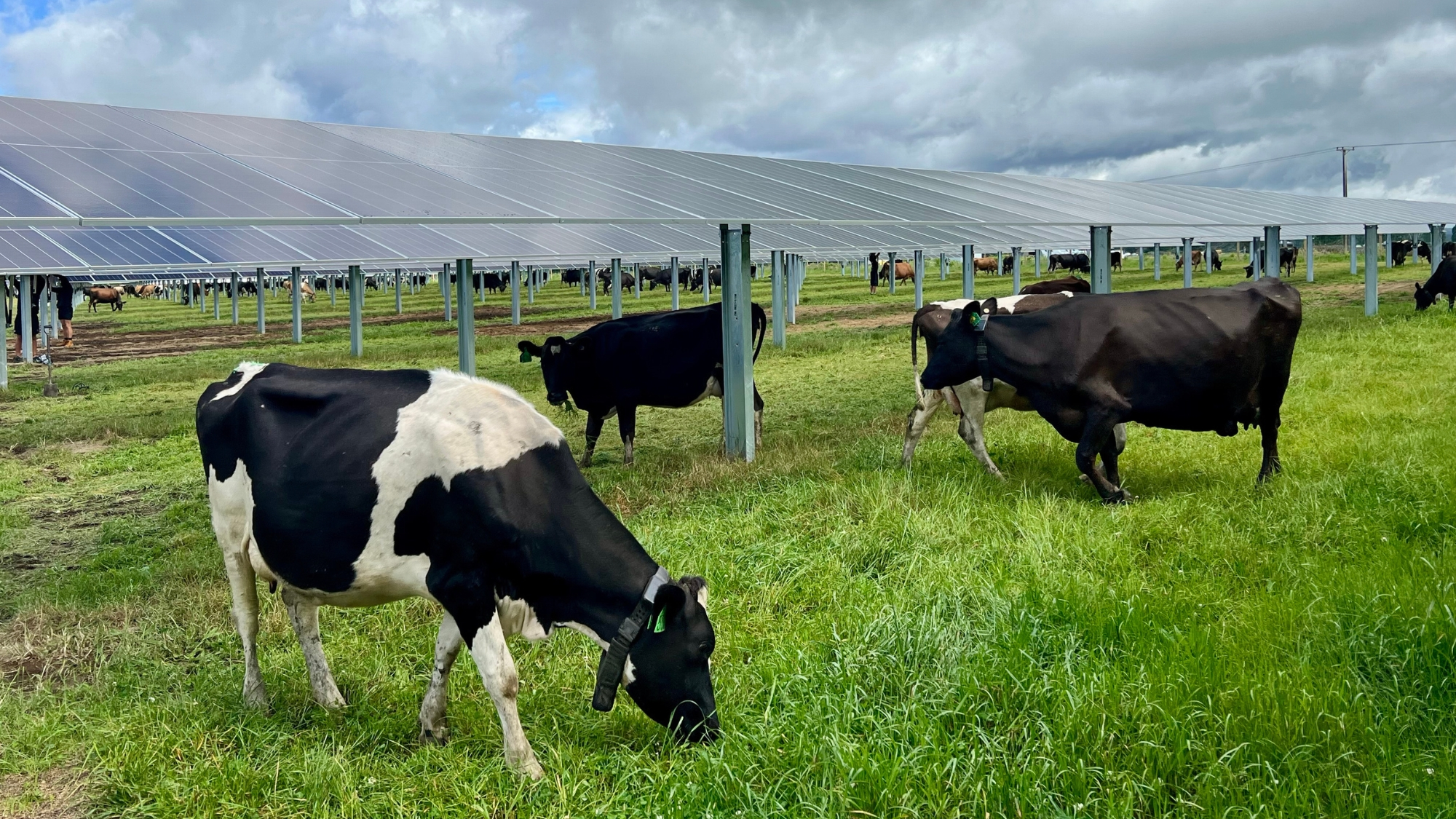
An agrivoltaic project in Galatea, New Zealand, is demonstrating how agricultural land can generate renewable energy while continuing to support productive farming, offering a new approach to land use for rural communities.
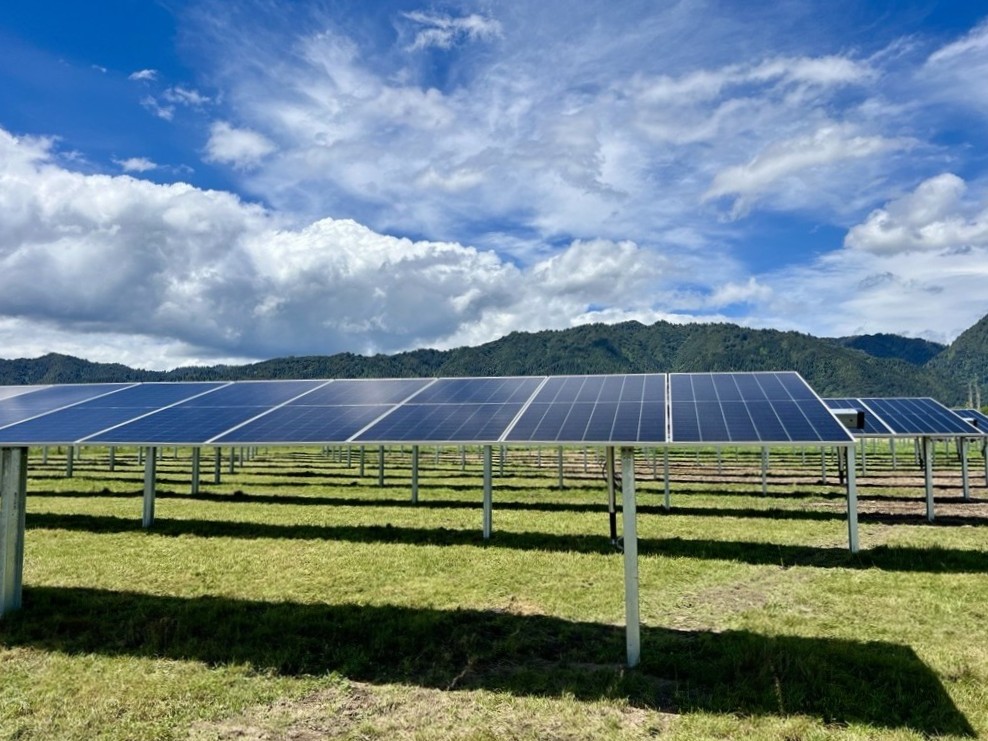
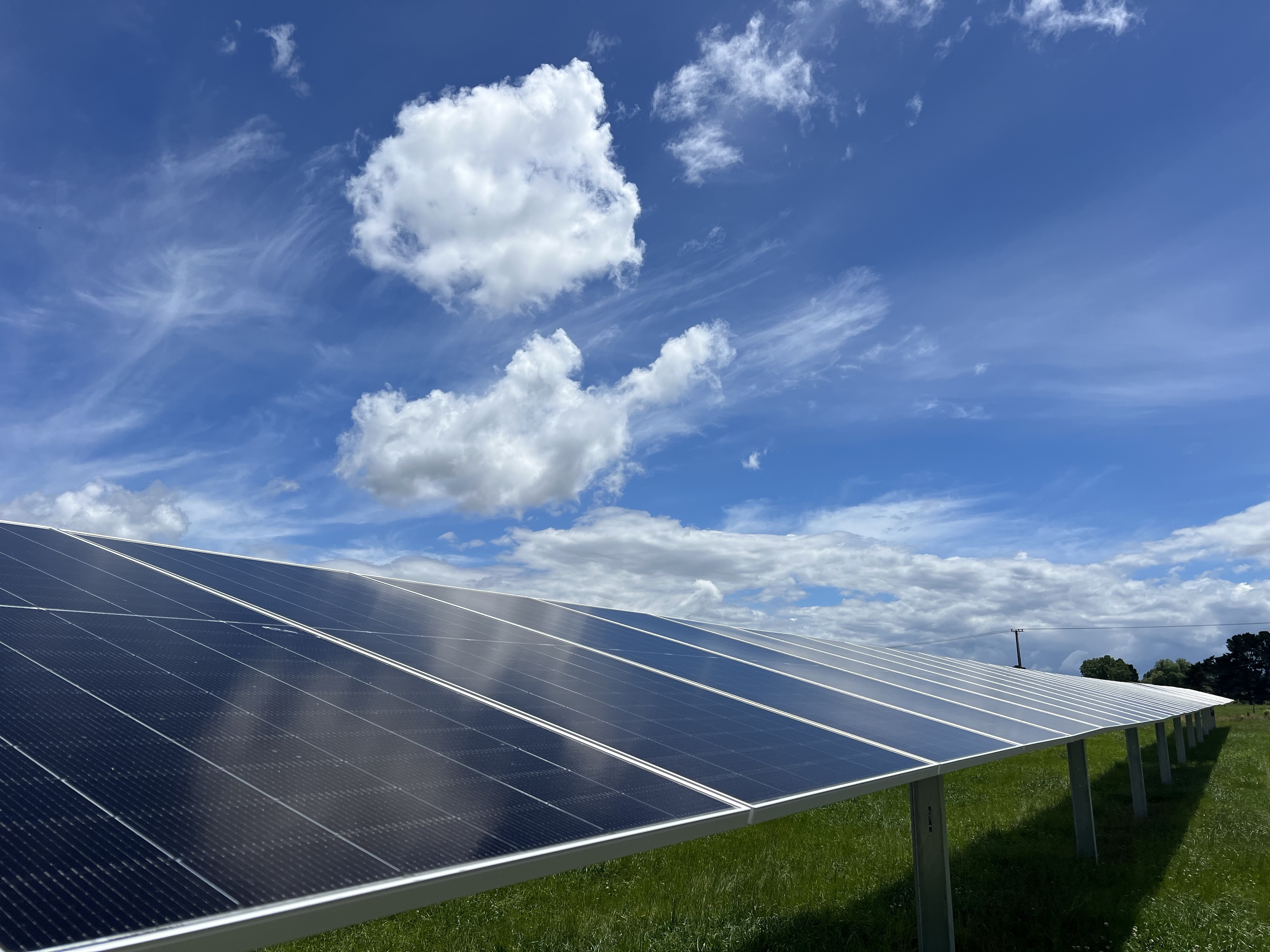
Officially opened on 12 November 2026, the Gordon Cattle and Solar Farm, located in the Whakatāne District, combines a 4.7MW solar installation across eight hectares with a dairy farm operation of around 700 cattle. Using TCL Solar 625W TOPCon modules and Clenergy ezTrackers D1P, the project brings together solar technology, agricultural expertise and tracking infrastructure to demonstrate the potential of dual-purpose land use.
Making More of Agricultural Land
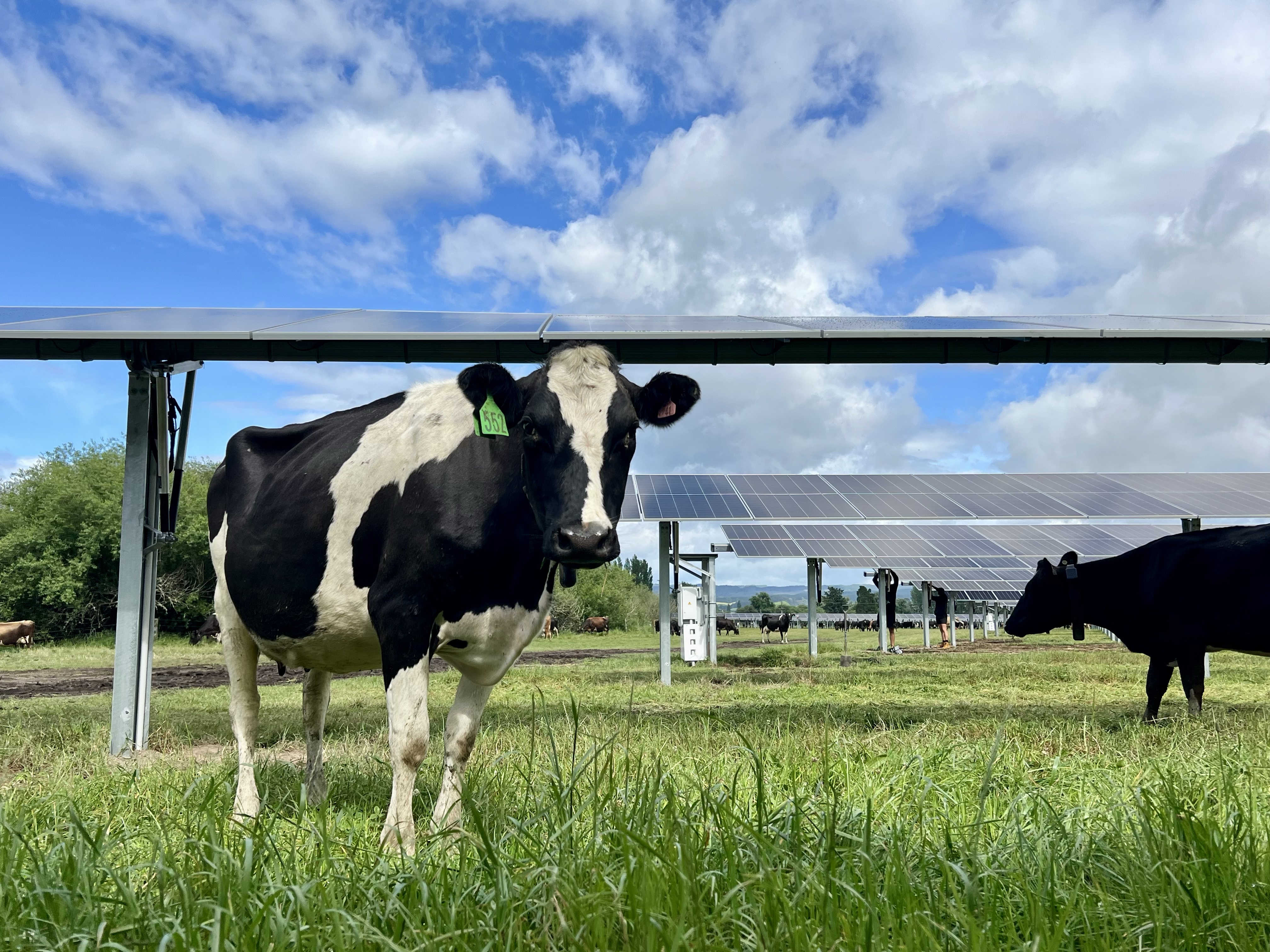
Agrivoltaics refers to the integration of solar energy generation and agricultural activities on the same land. At the Gordon Solar Farm, solar trackers are elevated to 2.2 metres, allowing cattle to continue grazing beneath the installation. During daylight hours, the tracking system follows the sun to optimise electricity generation, while the farm retains its agricultural function.
However, the benefits of the solar system could extend beyond producing renewable electricity. The panels provide shade for grazing areas, helping reduce direct sun exposure and potentially lowering soil temperatures, this could help retain moisture in the ground and reduce irrigation requirements. For cattle, access to shade can offer relief during hot weather, contributing to animal comfort during periods of intense heat.
The installation can also benefit the solar system itself. Vegetation and moisture beneath the panels may help moderate the module temperature and support energy generation.
Solar Modules Built for Reliability in Agricultural Environments
Operating solar panels in an agricultural environment comes with a different set of considerations compared with a conventional solar farm. In livestock environments, solar modules can be exposed to ammonia, a corrosive gas released through manure, animal waste and other agricultural processes. Over time, exposure can affect certain materials and components in the modules, potentially leading to corrosion and reduced long-term performance.
That's why choosing equipment designed and tested for the conditions in which it will operate is particularly important. The TCL Solar TOPCon modules supplied for the Gordon project have undergone ammonia corrosion resistance testing in accordance with IEC 62716, this international standard assesses how solar modules withstand exposure to ammonia.
The enhanced certification provides additional assurance around the modules' suitability for agricultural environments, where long-term reliability is an important part of project performance.
Bringing Farming and Solar Expertise Together
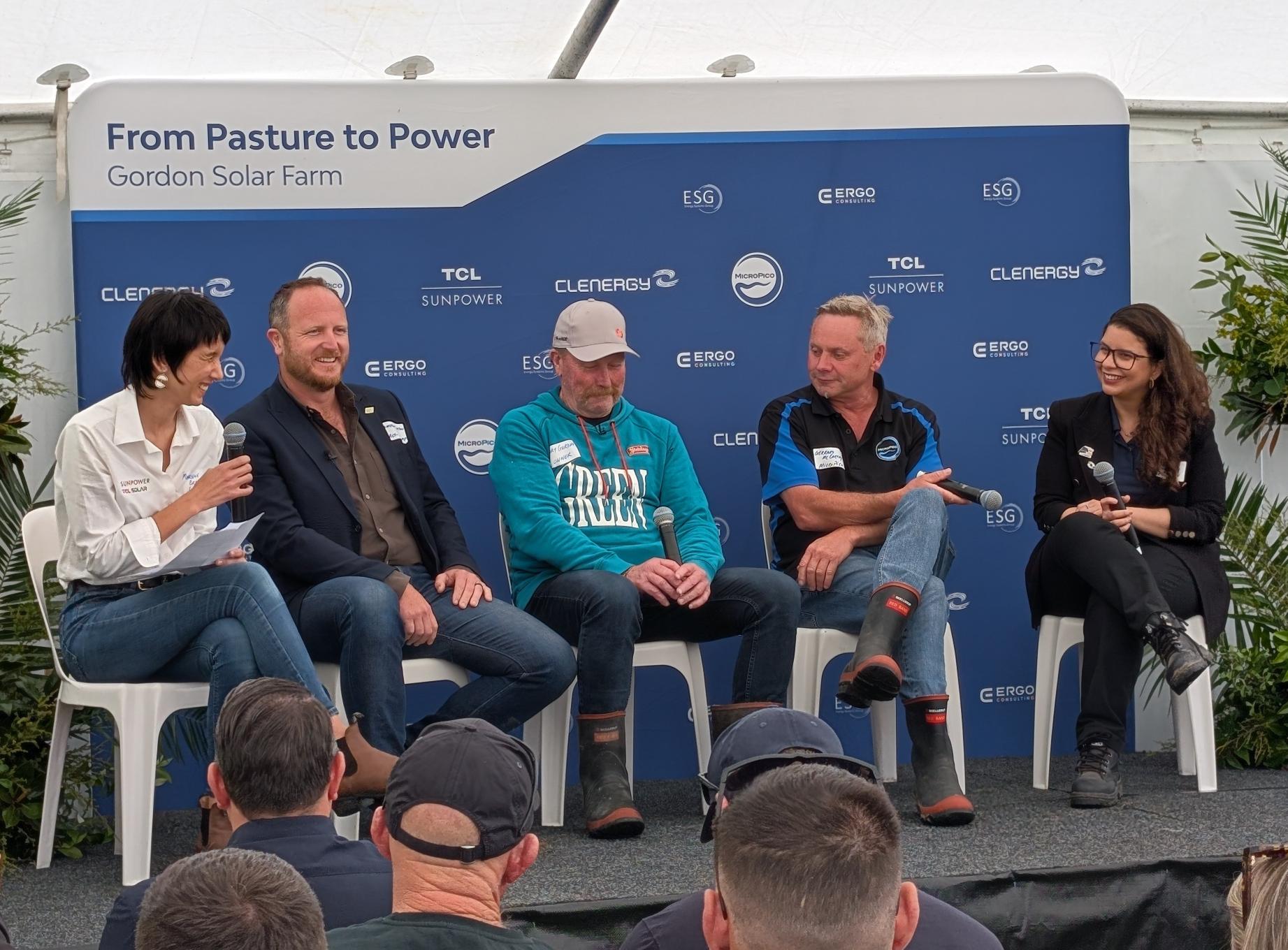
The Gordon Solar Farm has been delivered through collaboration between the Gordon family, TCL Solar, Clenergy, Micropico, insurance and financial partners. Each partner brings a different perspective to the project, from the realities of operating a working dairy farm to the engineering and technology required to integrate solar generation into an agricultural environment.
These perspectives came together at the official opening during a live panel discussion, where the opportunities and practical considerations of integrating solar generation into working farmland were explored. These conversations help move agrivoltaics beyond an interesting concept and towards real opportunities for landowners to create additional value from established farms.
The Future of Agrivoltaic Solar Farms in New Zealand
For TCL Solar, the project reinforces the importance of reliable module technology in installations with specific operational and environmental demands.
As New Zealand continues to expand its renewable energy capacity, the Gordon Solar Farm offers a real-world example of how solar energy can become part of the wider agricultural landscape, creating opportunities for farmers, energy providers and rural communities